World of Warcraft has always been a game renowned for its immersive world, drawing players into its vast landscapes with rich lore, dynamic environments, and interactive gameplay.
One of the most subtle yet effective ways Blizzard enhances this immersion is through weather effects and environmental hazards. These elements are designed not just as aesthetic features but as integral parts of the game world that influence the player’s experience — often without players even realizing it. This article explores how WoW uses weather effects and environmental hazards to create a deeper sense of immersion and realism in the game world.
The Role of Weather Effects in Immersion
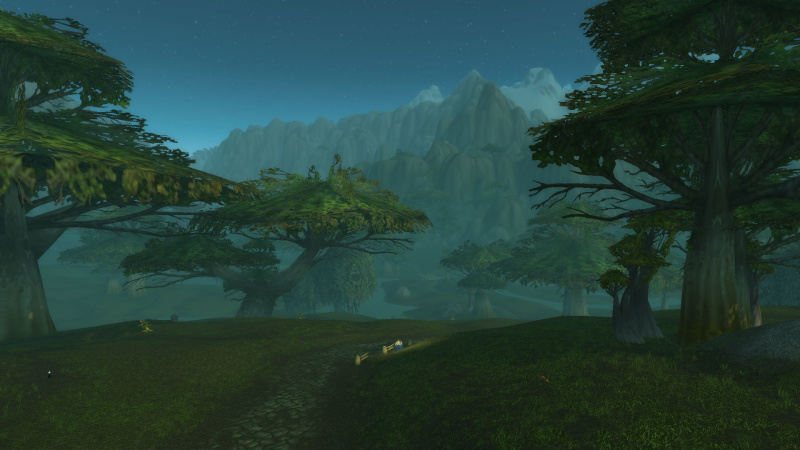
Weather effects in World of Warcraft, such as rain, snow, fog, and thunderstorms, have a powerful impact on the atmosphere of the game. These effects are designed to enhance the mood of specific areas, from the eerie fog in the Ghostlands to the heavy rainstorms in Stormheim. Weather effects help set the tone for the region, influencing the player’s emotional response to their surroundings. The dynamic changes in weather reflect the unpredictability of Azeroth’s natural world, further enhancing the feeling that the player is part of a living, breathing world.
Beyond aesthetics, these weather effects subtly affect gameplay. For example, rainstorms in certain zones may lower visibility or reduce the effectiveness of certain spells, adding an extra layer of challenge and realism to the experience. These effects are not disruptive, but they create an underlying sense of immersion that players may not consciously register, but which influences how they interact with the world around them.
- Visual Impact: Weather changes like rain, fog, and thunderstorms dramatically alter the mood of the environment.
- Gameplay Influence: Weather effects can subtly affect visibility, combat strategies, and movement speed, influencing how players approach areas.
- Seamless Integration: Weather is woven naturally into the game, never interrupting gameplay but enhancing the overall experience.
Environmental Hazards: Adding Complexity Without Distraction
Environmental hazards in WoW, such as lava flows, toxic swamps, and crumbling bridges, add an extra layer of complexity to exploration and combat. These hazards are designed not just as obstacles but as integral parts of the world that affect the player’s movements and decisions. For example, navigating the scorched landscapes of Searing Gorge requires players to be mindful of the lava rivers, while crossing the dangerous zones of the Blasted Lands may involve avoiding poisonous gas clouds. These environmental hazards are seamlessly integrated into the world, creating tension and adding to the overall realism without ever feeling forced.

These hazards contribute to the immersive experience by encouraging players to think about their surroundings. Instead of simply walking through a static environment, players must actively engage with the world, planning their paths and adjusting their strategies. This level of environmental awareness makes the game world feel more real and alive, as players must react to the dangers that exist in every corner of Azeroth.
- Natural Obstacles: Environmental hazards, like lava and poisonous gas clouds, add depth to exploration and gameplay.
- Strategic Movement: Players must adapt their movements and strategies based on the environment, which encourages engagement with the world.
- Subtle Challenge: These hazards do not distract from the game but enhance the experience by making the world feel dangerous and unpredictable.
Subtle Immersion: How Players Don’t Notice, But Feel the Difference
What makes weather effects and environmental hazards so effective is how seamlessly they are integrated into the game. Players may not actively notice the changing weather or the environmental obstacles, but they feel the difference in the overall experience. The gradual shift in tone as a thunderstorm approaches or the tension when a player steps into a poisonous swamp creates an atmosphere that subtly influences the player’s emotional and tactical decisions.

This invisible immersion is crucial to maintaining the player’s focus on the game world without detracting from the core gameplay. It’s not about calling attention to the weather or hazards, but rather about integrating them so naturally into the world that they become an unconscious part of the player’s experience.
- Natural Transitions: Weather effects shift gradually, blending seamlessly with the environment to avoid drawing attention but enhancing atmosphere.
- Unconscious Influence: Players don’t need to focus on these elements; they simply feel the difference as the world reacts around them.
- Unobtrusive Design: The design of weather and hazards enhances immersion without interrupting the gameplay or distracting the player.
Conclusion
World of Warcraft’s use of weather effects and environmental hazards is a testament to the game’s ability to create an immersive, dynamic world. These elements, though subtle, play a crucial role in shaping the player’s experience.
By enhancing the atmosphere and adding complexity to exploration, they contribute to a sense of realism and engagement that players may not consciously notice, but which makes Azeroth feel like a living, breathing world. Whether through a sudden rainstorm or a crumbling bridge, WoW’s environmental design is a masterclass in immersion that deepens the player’s connection to the game.